

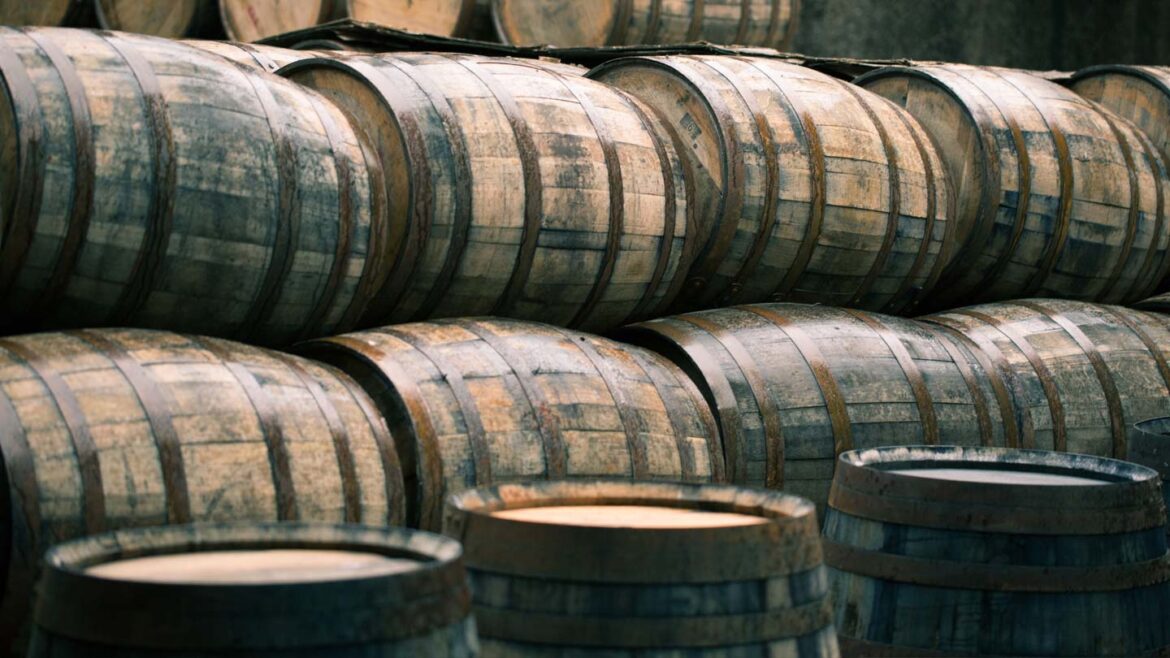
Whisky casks can benefit from favourable capital gains tax (CGT) treatment in certain circumstances, but whisky investment is not automatically tax free. The tax position depends on factors including how you own and use the cask, the nature of your investment activity and what ultimately happens to the whisky.
For anyone considering whisky investment, understanding this distinction is important. Tax can be one of the attractions of owning whisky casks, but it should never be the sole reason for investing.
This guide explains some of the UK tax implications of cask investment, including capital gains tax, income tax, VAT, alcohol duty and inheritance tax.
This article provides general information only and does not constitute tax, financial or investment advice. Tax treatment depends on individual circumstances and may change. You should seek advice from a suitably qualified tax professional about your own position.
Is investing in whisky tax free? Which taxes apply and when?
Whisky cask investment is not universally tax free, but certain disposals of whisky casks may qualify for an exemption from CGT under the rules relating to “wasting assets”. Other taxes can apply depending on your circumstances, how your investment activity is treated and what you ultimately do with the cask.
Here is a simplified overview:
| Tax | General position | When might the position change? |
| Capital gains tax | A disposal may be exempt from CGT where the cask qualifies as a wasting chattel under the relevant rules. | Different treatment may apply where the conditions for the exemption are not met. |
| Income tax | Investment gains and trading profits are not treated in the same way for tax purposes. | If your buying and selling activity amounts to a trade, profits may be subject to income tax rather than CGT rules. |
| VAT and alcohol duty | Alcohol can be held in an approved warehouse under duty suspension, meaning alcohol duty does not have to be paid while the relevant conditions continue to be met. | Tax and duty implications need to be considered if whisky is removed from duty suspension, including for bottling. |
| Inheritance tax | Whisky casks do not have a general exemption from inheritance tax simply because they may receive particular CGT treatment. | Casks owned at death can form part of an estate for inheritance tax purposes. |
These are general principles rather than a guarantee of how HMRC will treat an individual investment.
Why whisky casks count as a “wasting asset”
One of the most distinctive potential tax characteristics of whisky cask investment comes from the concept of a “wasting asset”.
For CGT purposes, HMRC defines a wasting asset as one with a predictable life of 50 years or less. A chattel, meanwhile, is tangible moveable property. A chattel with a predictable life of 50 years or less can therefore be classed as a “wasting chattel”.
This distinction matters because certain disposals of wasting chattels can be exempt from CGT, subject to the relevant conditions.
How the angel’s share affects a whisky cask over time
Whisky naturally evaporates while it matures in the cask. This is commonly known as the “angel’s share” and typically accounts for approximately 1-2% of the liquid each year, although the rate can vary depending on factors such as the cask, its age and the conditions in which it’s stored.
Over time, this evaporation gradually reduces the quantity of whisky in the cask. Where a cask falls within the tax rules for a wasting chattel, its disposal may therefore be exempt from CGT, subject to the relevant conditions.
This potential tax treatment is one reason direct cask ownership differs from investing in shares, funds or other conventional financial assets. However, it doesn’t mean that every whisky investment, transaction or investor automatically receives tax-free returns.
Capital gains tax on whisky casks
CGT is normally relevant when you dispose of an asset that has increased in value. However, UK tax legislation provides an exemption for gains on certain wasting chattels, as discussed above.
This potential CGT treatment is one of the characteristics that can make direct whisky cask ownership interesting to some investors.
It’s important, however, to distinguish potential tax treatment from whisky investment returns. An exemption from tax on a gain is only relevant if a gain has actually been made. The value of whisky casks can rise or fall and returns aren’t guaranteed.
When CGT may still apply
The tax position isn’t simply “whisky equals no CGT”. How the asset is held, how it’s used and the nature of the owner’s activity can all be relevant. There can also be a distinction between holding casks as a longer-term investment and carrying out a trade involving the buying and selling of whisky.
If you’re unsure whether a proposed purchase or sale qualifies for particular tax treatment, it’s important to get professional tax advice rather than assuming an exemption will apply.
VAT and alcohol duty
Whisky casks also come with particular VAT and alcohol duty considerations. Whisky typically matures in an approved excise warehouse. Under UK regulations, alcoholic products can be stored, held or moved in duty suspension without alcohol duty immediately becoming payable.
This is important for cask investors because whisky can potentially remain in duty-suspended storage throughout a long holding period.
Bonded storage benefits
Keeping whisky under duty suspension means you don’t generally have to pay alcohol duty simply because the whisky continues to mature in an approved warehouse.
At Vintage Acquisitions, our clients’ casks are stored at Campbeltown Bond, our purpose-built, HMRC-approved bonded warehouse on Scotland’s west coast. Bringing our client casks together at this site gives us a central location for their storage and ongoing management.
Casks kept here also benefit from three years’ storage and insurance free of charge.
The current alcohol duty system calculates duty according to the amount of pure alcohol in a product. Rates can change, so it’s always worth checking HMRC’s current alcohol duty guidance rather than relying on historic figures.
Warehousing arrangements are an important consideration when learning how to invest in whisky. Before purchasing a cask, you should understand where it will be stored, how your ownership is documented and what costs or taxes could arise if you later decide to remove the whisky from duty suspension.
Tax obligations on exit
The tax position can change if whisky leaves duty suspension, including where it’s removed for bottling. Alcohol duty may then become payable, with the amount affected by the volume and alcoholic strength of the whisky. VAT considerations can also arise.
If you think you may eventually bottle your cask rather than sell it while it remains in bond, it’s worth understanding these potential costs from the outset.
HMRC rules, documentation and reporting
HMRC rules govern the storage and movement of duty-suspended alcohol. Understanding the relevant requirements and keeping appropriate records are important parts of responsible cask ownership.
WOWGR and warehoused goods
The Warehousekeepers and Owners of Warehoused Goods Regulations 1999 (WOWGR) have historically formed part of the regulatory framework governing excise goods held in duty suspension.
These rules were simplified in March 2025, including changes to the previous registered-owner requirements. Warehousekeepers and the storage and movement of duty-suspended goods remain subject to HMRC requirements.
Vintage Acquisitions has operated within the HMRC warehousing framework for a number of years. For investors, the practical point is to understand where your whisky is being held, who is responsible for its storage and how your ownership of the cask is recorded.
Documentation requirements
Good documentation matters when buying whisky casks for several reasons and tax is only one of them.
You should keep clear records relating to the purchase, ownership, storage and eventual disposal of your cask. Depending on the arrangement, these might include purchase invoices, ownership or title documentation, warehouse records, delivery orders, correspondence relating to the cask and records of its eventual sale or removal from bond.
Clear documentation also helps establish what you actually own. This should be part of your wider due diligence when deciding how to choose a whisky investment company.
Ask prospective providers to explain how ownership is recorded, where the cask will be stored, what ongoing charges apply and what happens when you eventually want to sell.
These checks are also important when considering how to avoid whisky investment scams. Potential tax advantages shouldn’t distract from verifying that the cask exists, understanding your ownership rights and carrying out appropriate due diligence on the company you’re dealing with.
Reporting obligations
Reporting obligations will depend on your individual circumstances, the nature of your investment activity and the tax treatment of any disposal.
It’s therefore important to keep accurate records of transactions and seek professional tax advice if you’re unsure whether a sale, gain or other activity needs to be reported to HMRC. This can be particularly important if you buy and sell casks regularly or there’s a possibility that your activity could be treated as trading rather than passive investment.
How to structure a whisky investment tax-efficiently
Tax efficiency starts with knowing your own unique situation and goals, rather than trying to structure an investment purely around a potential tax exemption.
For a private investor, relevant questions can include how the cask will be owned, how frequently you intend to buy and sell, whether it will remain in duty-suspended storage and whether you ultimately intend to sell the cask or bottle its contents.
Managing sale proceeds
The tax treatment of proceeds from a cask sale depends on the details of each individual transaction. Where a disposal qualifies for the wasting chattel exemption, a gain may be exempt from CGT. Where the activity amounts to trading, different tax rules can apply.
Keeping complete records of your original purchase and subsequent sale will make it easier to establish the relevant tax position.
Investing versus trading
There can be an important distinction between holding an asset as an investment and carrying out a trade.
The tax treatment will depend on a range of facts and circumstances rather than any single factor, so anyone regularly buying and selling casks should seek advice on their own position.
Tax should also be considered alongside the fundamentals of the investment itself. Before committing money, look at factors such as the purchase price, distillery, age, cask type, provenance, storage arrangements and potential route to sale. Different whisky regions and distilleries can have different market characteristics, so potential tax efficiency alone doesn’t tell you whether a particular cask is right for you.
Likewise, potential tax advantages don’t make an investment risk free. If you’re assessing how safe whisky investment is, you should also think about elements such as changes in market demand, liquidity, pricing transparency and the possibility of receiving less than you invested.
Inheritance tax and estate planning
The CGT treatment associated with wasting assets shouldn’t be confused with inheritance tax treatment.
If you own whisky casks when you die, their value can form part of your estate for inheritance tax purposes. There isn’t a general inheritance tax exemption simply because a cask may qualify as a wasting asset for CGT.
The standard inheritance tax nil-rate band is currently £325,000 and is set to remain at that level until April 2031. However, the eventual tax position depends on the value and composition of the estate, available exemptions and reliefs and individual circumstances.
If you’re considering whisky casks as part of estate planning, or you’re thinking about gifting casks or placing assets into a trust, it’s important to take specialist advice rather than assuming the CGT treatment of casks extends to other taxes.
Common misconceptions and practical risks
Myth: whisky investment is automatically tax free
Whisky casks can have potentially favourable tax characteristics, particularly in relation to the CGT treatment of qualifying wasting assets. But describing whisky investment simply as “tax free” removes important qualifications.
The outcome depends on the asset, the transaction and the investor’s circumstances. Tax rules can also change, which is why individual advice may be needed.
Myth: tax advantages mean an investment is low risk
Tax treatment and investment risk are two different things. Even where a gain would qualify for favourable tax treatment, there’s no guarantee that the cask will increase in value in the first place. Cask values can fall as well as rise and you may receive less than you invested.
Anyone researching whisky investment returns should therefore consider the underlying investment on its own merits rather than viewing potential tax treatment as evidence of likely performance.
Myth: buying through a whisky investment company guarantees the tax treatment
A whisky investment company can’t guarantee how HMRC will treat your individual circumstances.
Due diligence on the company you choose remains important. Look for transparent pricing, clear ownership arrangements, verifiable cask details, appropriate storage and a demonstrable track record.
It’s also important to understand the regulatory position. Direct whisky cask investment is not regulated by the Financial Conduct Authority (FCA) in the UK and isn’t protected by the Financial Services Compensation Scheme (FSCS).
At Vintage Acquisitions, we have our own FCA-registered compliance officer who reviews and approves our content and business activities. This provides an additional layer of oversight within our business, but it doesn’t mean that whisky cask investment itself is FCA regulated or FSCS protected.
The bottom line: is whisky a tax-efficient investment?
Whisky casks can have potentially attractive tax characteristics, particularly where a disposal qualifies for the CGT exemption applying to wasting chattels.
That’s different, however, from saying that whisky investment is universally or automatically tax free. CGT is only one part of the picture. Your individual circumstances, the nature of your activity, storage arrangements, VAT and alcohol duty implications, inheritance tax position and eventual exit can all affect the overall tax position.
For someone exploring whisky as an alternative asset, tax can therefore be one consideration alongside the fundamentals of the cask itself, the price being paid, the company you’re buying from, ownership and storage arrangements, investment risk and potential exit options.
If you need to know how the rules apply to your own circumstances, talk to a qualified tax professional.
Whisky and tax: frequently asked questions
Explore whisky cask ownership
Tax is only one consideration when deciding whether cask investment is right for you. Understanding the asset, ownership arrangements, storage, costs, risks and potential exit routes is just as important.
If you’re considering whisky casks as a long-term alternative asset, speak to the Vintage Acquisitions team to learn more about how the purchasing and ownership process works.
The value of investments can go down as well as up, and past performance is not a guarantee of future performance. Fees and Terms & Conditions apply. You should seek independent financial advice before making any investment decision.
Vintage Acquisitions has appointed an in-house compliance professional responsible for overseeing and approving all relevant business activities, thereby ensuring communication and processes are conducted with fairness and transparency.
